Want to know what gets you in the coaching business? And more importantly, what helps you stay in business?
It’s the perfect combination of intentional visibility and authority building.
And where do you get that? From launching your own coaching events.
I would know because that’s exactly what I did. Since 2015, I’ve launched over 15 virtual summits and built multiple six-figure coaching businesses in the process.
I’ve interviewed 400+ speakers like Rand Fishkin, Neil Patel, and Marshall Goldsmith. I’ve made friends in the industry and strong business partners. And I’ve met my dream clients and convinced them to work with me.
Summit, conference, workshop? I tested it all. I made the system and proved that it works.
So, if you want to learn which is better: summit vs conference? I have the answers right here.
What Is a Summit Event?
A summit is a focused gathering where industry leaders, thought leaders, and industry experts come together to discuss a specific topic and deliver actionable insights. It’s usually designed to be high-level, results-driven, and typically hosted as a virtual event or hybrid experience.
Summits are especially powerful for coaches because they build trust quickly and position you as an authority in your field or industry. They also encourage audience engagement through interviews, panel discussions, and networking sessions.
What are the top reasons for hosting a summit as a coach?
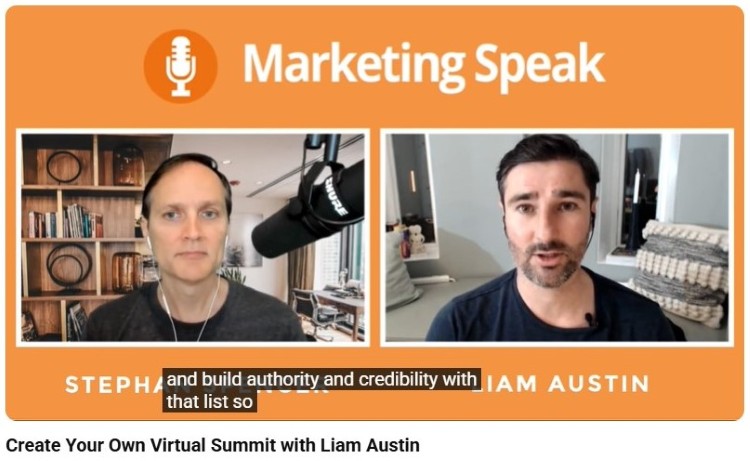
Here’s why hosting a summit is a smart move for your coaching business:
- Broader audience reach: You can attract attendees from anywhere in the world without needing a physical venue.
- Valuable networking opportunities: It helps you connect with guest speakers and build long-term partnerships.
- Targeted email list growth: You can grow your email list with attendees who are already interested in your topic.
- Natural offer positioning: It allows you to showcase high-ticket coaching offers without relying on hard-selling.
- Scalable business model: You can create repeatable systems that help generate leads and sales through virtual summits.
Virtual summits have always been a cornerstone of my business. My first one landed me $50K in revenue. But beyond that, I get 5K-25K engaged leads each time.
My Instagram Success Summit added 22K more leads to my funnel. I’ve proven its impact in establishing authority and building connections.
What are the different types of summits?
Summits come in different formats depending on your target audience and goals and objectives.
- Virtual summit: An online event format with pre-recorded or live sessions, so you can reach audiences from everywhere in the world.
- In-person summit: A high-profile physical gathering focused on deeper networking opportunities.
- Hybrid event summit: Combines in-person and virtual access for the best of both worlds.
- Executive summit: Hosting an event for a specific group of people, like CEOs or senior managers, to discuss organizational strategies.
- Panel-based summit: Centers on panel discussions and collaborative idea-sharing.
- Industry-specific summits: These cater to a field or industry like health coaching or business coaching with high-level discussions.
- Actionable solution summits: These prioritize practical outcomes and takeaways instead of pure inspiration or theory.
What Is a Conference?
A conference is a formal type of event where a larger group of people gather to exchange ideas, learn, and explore trends in your industry. Unlike summits, conferences include multiple tracks, exhibitor booths, and a broader conference experience.
For coaches, conferences are great if you want to build authority at scale and connect with a wider market. They also often involve structured schedules, break-out sessions, and opportunities to attend all of the sessions over multiple days.
What are the top reasons for hosting a conference as a coach?
Here’s why you should consider hosting or attending a conference:
- You can reach a broader audience across different niches
- Conferences create strong networking opportunities and partnerships
- You can showcase products and services through an exhibitor setup
- They are ideal for building brand authority and hosting a future event
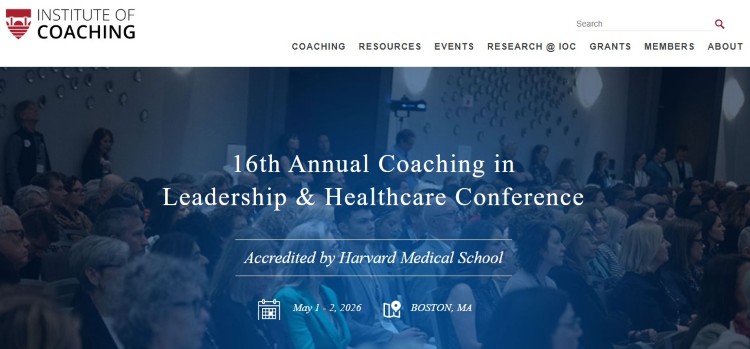
A good example of a conference is the 16th Annual Coaching in Leadership & Healthcare Conference by the Institute of Coaching. The event will be a melting point of industry leaders, fellow coaches, and the latest scientific knowledge on coaching and healthcare.
What are the different types of conferences?
Conferences vary based on purpose, audience, and event planning style.
- Academic conferences: Dedicated to the interests of researchers, educators, students, and industry professionals sharing scholarly work.
- Virtual conferences: Online conferences that use technology to encourage audience participation around the world through digital platforms.
- Hybrid event conferences: These combine physical and digital elements so attendees can attend all of the sessions in person or remotely.
- Industry conferences: Large-scale conference events where organizers bring together vendors, government representatives, and professionals to discuss developments in a specific sector.
- Networking conferences: Focus heavily on networking sessions and relationship building.
- Trade conferences: Include exhibitor spaces showcasing products and services.
What Is the Difference Between a Summit and Conference? (Summary Table)
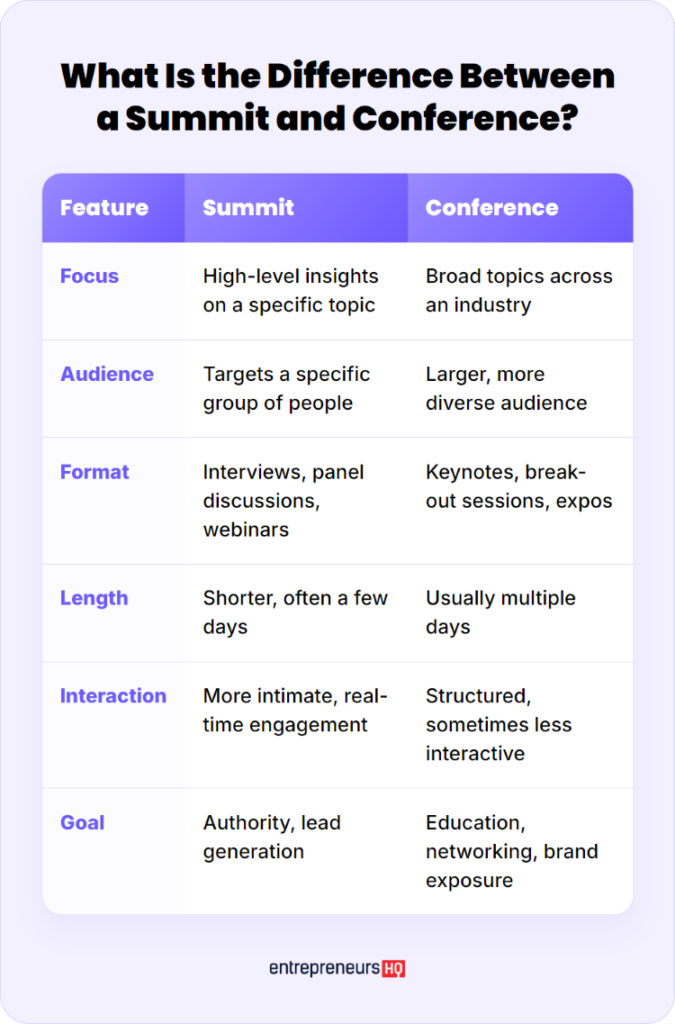
Understanding the difference between a conference and a summit helps you choose the right event format for your coaching business.
| Feature | Summit | Conference |
| Focus | High-level insights on a specific topic | Broad topics across an industry |
| Audience | Targets a specific group of people | Larger, more diverse audience |
| Format | Interviews, panel discussions, webinars | Keynotes, break-out sessions, expos |
| Length | Shorter, often a few days | Usually multiple days |
| Interaction | More intimate, real-time engagement | Structured, sometimes less interactive |
| Goal | Authority, lead generation | Education, networking, brand exposure |
So, when do you choose one over the other?
- Choose a summit when your goals and objectives center on authority building and growing your email list. It helps you walk out of the event as a trusted expert, with a tribe of raving fans willing to work with you.
- Choose a conference when you value networking and partnerships more. You’re not necessarily the start of the show, but with the sheer number of attendees, you’re bound to meet business matches that align with your goals.
Pros and cons of a summit vs conference
Let’s look at the trade-offs. Before you host a summit or conference as a life coach, consider these pros and cons:
| Event | Pros | Cons |
| Summit | Costs less to produce than full conference events Attracts high-profile speakers more easily because of the shorter commitment Allow you to reach a global target audience without venue costs via virtual summits Summit attendees are typically highly engaged and committed | Limited time for deep sharing of knowledge and relationship building Attendees can feel overwhelmed by rapid-fire content Less close-up interaction compared to conference settings |
| Conference | Multiple days allow for deeper learning and absorbing new ideas Panel discussions and diverse formats cater to different learning styles Strong opportunity to network during the entire event duration Earn as an exhibitor or by renting out to exhibitors | More complex event planning and a higher budget Can be harder to fill seats if you’re targeting a more general audience More logistical challenges with guest speakers, exhibits, and break-out rooms |
If you’re seriously considering hosting your own virtual summit, explore this course on Virtual Summit Masterclass. It’s where I lay it all out, how I hosted my summits and used them to continuously grow my business.
What Is a Summit vs Conference?
A summit and a coaching conference are both coaching events where you can grow your circle and establish your brand. But like all other events, they have different goals and focuses.
Let’s go beyond the basics a bit and compare them with other similar event types. This analysis will help you define which activities to adopt as a coach and what each one does for your business.
Summit vs forum
A forum is an open gathering where participants can raise topics and exchange ideas freely without a strict agenda. Here’s how it differs from a summit:
- Summits have a clear organizer-driven agenda, while forums are typically participant-led.
- Summits feature government representatives or industry experts as speakers, while forums highlight peer-to-peer interactions.
- Summits are high-level and strategic, while forums are casual and open-ended.
- Summits gather participants to discuss one specific topic, while forums cover anything that’s raised.
Forum vs conference vs summit
Comparing a forum to a conference and summit shows the range of event types available:
- Forums are unstructured and participant-driven, conferences are structured and organizer-driven, and summits are curated and strategic.
- Forums allow anyone to speak, conferences feature selected guest speakers, and summits feature thought leaders.
Forums can discuss anything, conferences cover a field broadly, and summits discuss a specific strategic challenge.
Summit vs convention
A convention is typically a large gathering of people with shared interests, focused on products and services or fan communities. The summit vs convention comparison shows:
- Summits are typically business-focused, while conventions can be social or hobby-based.
- Summits prioritize idea-sharing, while conventions prioritize celebrating a community.
- Summits have executive attendance goals, while conventions welcome anyone interested.
- Summits are sometimes used interchangeably with high-level meetings, but conventions are distinct social events.
Summit vs conference vs convention
When comparing a summit or a conference to a convention, the difference between a conference and the other two becomes clearer:
- Summits are strategic, conferences are informational, and conventions are celebratory.
- Summits serve high-profile leaders, conferences serve practitioners, and conventions serve enthusiasts or community members.
- Summits deliver actionable solutions, conferences provide comprehensive learning, and conventions provide community-building opportunities.
- Summits have a curated agenda, conferences have varied tracks, and conventions have an open program.
Summit vs seminar
A seminar is an educational event format focused on training and instruction instead of discussion. Comparing a summit and conference to seminars reveals:
- Summits encourage two-way dialogue, while seminars are typically one-way (teaching-learning).
- Summits feature multiple guest speakers with diverse views, while seminars usually just have one expert.
- Summits cater to executive decision makers, while seminars serve learners at all levels.
- Summits involve panel discussions, while seminars involve lectures.
Summit vs workshop
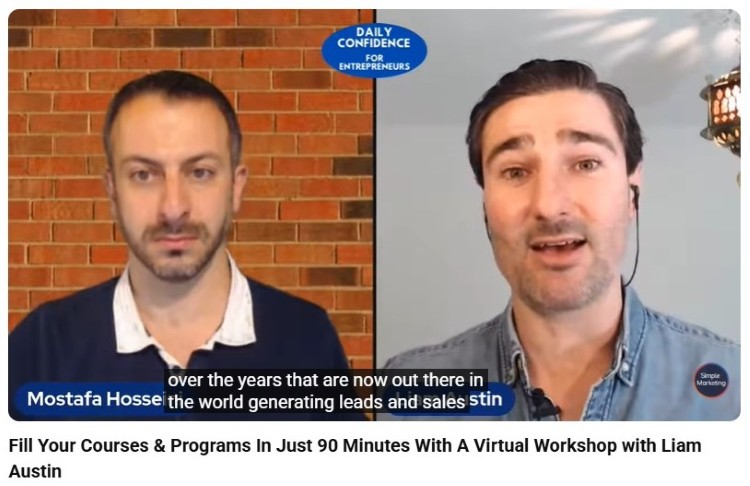
A workshop is a hands-on session where participants practice skills instead of just listening. A summit differs from workshops in these ways:
- Summits focus on high-level strategy, while workshops focus on actual implementation and demonstrations.
- Summits are about sharing knowledge, while workshops are about practicing techniques.
- Summits serve a specific group of decision makers, while workshops serve doers and implementers.
Summit vs meeting
A meeting is a basic formal meeting of people to discuss business matters. A regular meeting is different from a summit in many ways:
- Summits are large-scale events, while meetings are small, routine business communications.
- Summits include people from across a field or industry, while meetings include internal teams.
- Summits create network expansion opportunities, while meetings maintain existing relationships.
- Summits require advance event planning, while meetings happen regularly with minimal setup.
Summit vs conference vs symposium
A symposium is a formal gathering where industry experts present on a specific topic with structured academic or professional discourse. Here’s how it compares to conferences and summits:
- Summits focus on collaborative problem-solving, while symposiums focus on formal presentation of research.
- Conferences offer broader audience appeal, while symposiums target specialized academics.
- Symposium presentations are typically longer and more detailed than conference talks.
- Summits encourage audience participation, while symposiums maintain presenter-audience boundaries.
How to Decide Between Hosting a Summit or a Conference (Checklist)
Choosing the right format comes down to your goals and objectives, resources, and audience.
Follow this simple step-by-step guide to make the right call:
☐ Define your main goal: Decide if you want leads for your high-ticket coaching, better brand awareness, or revenue from your next event.
☐ Know your target audience: A specific group of people works better for summits, while conferences cater to a broader audience. Clarifying this also helps you get coaching clients from these events.
☐ Evaluate your budget: Summits are more affordable, while conferences require a higher investment in event planning.
☐ Choose your format: Decide between in-person and virtual, or a hybrid event for the best of both worlds.
☐ Plan your content style: Use webinars, interviews, and panel discussions for summits. Use keynotes and break-out sessions for conferences.
☐ Consider engagement level: Are you after more networking opportunities? Do you want to build closer relationships or be perceived as an expert?
☐ Think long-term: Conferences are better for brand building, while summits help you launch quickly.
If you’re still unsure, explore marketing for coaches and see which type of event aligns with your strategy. Also consider industry data like online learning statistics and virtual event statistics to guide your decision.
Meet Your Ideal Clients
Choosing between a summit vs conference boils down to the role you want to play. Summits position you as an expert, while conferences help you belong in the industry.
Whichever path you take, my 3-Step Blueprint to Become a Highly-Paid Coach can turn your virtual events into a Lead Generation Machine.
Make the most of every moment when you have a Magic Pill offer ready to pitch.
Turn engagements into conversions after every summit or conference.
Sell naturally and confidently when prospects already see you as an expert.
Carl grew his email list from 1K to 100K. Layla tripled her profits.
Yes! I Want to Launch a Successful Coaching Business!